Top 5 Reasons African Taxi Drivers Switch to BYD EVs
Discover why African taxi drivers are switching to BYD EVs. Boost profits with massive fuel savings, low maintenance, and durable Blade Battery tech.
Editorial
Editorial
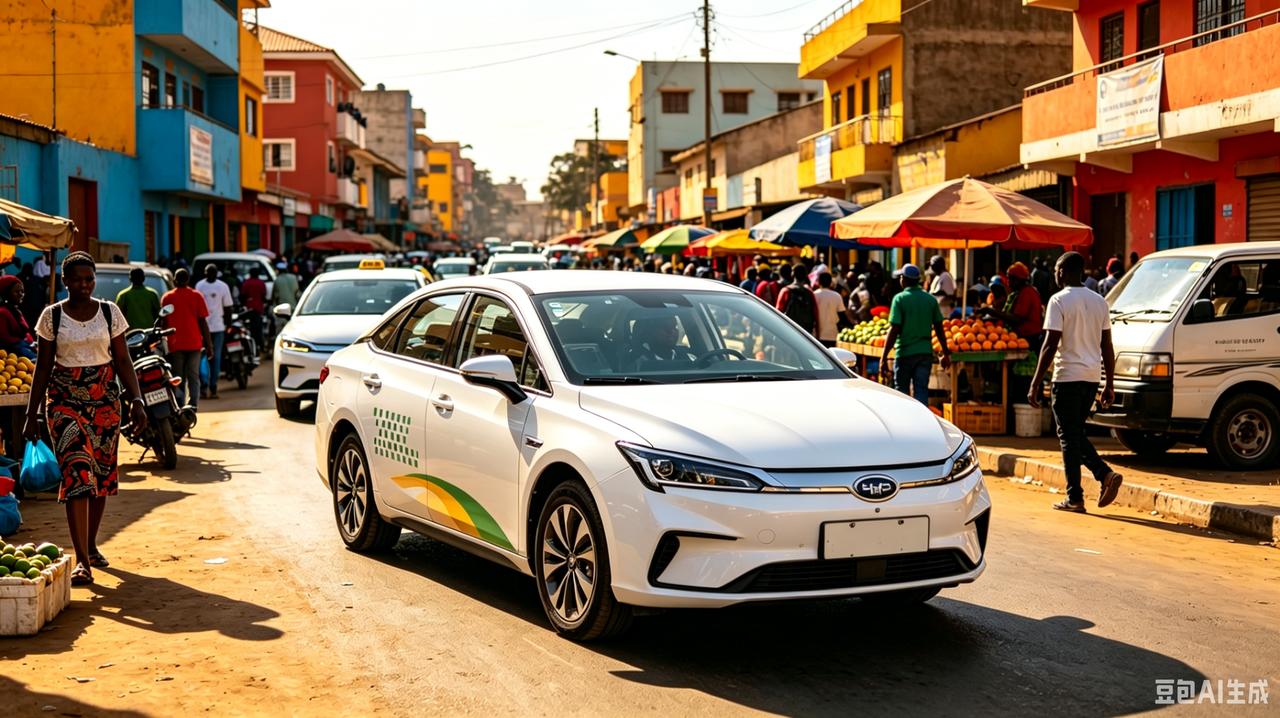
For African taxi and rideshare drivers navigating the bustling streets of Lagos, Nairobi, or Johannesburg, the soaring cost of fuel isn't just an inconvenience; it's a direct hit to their livelihood. Every liter of petrol burned eats into their daily profit, making the economics of running an Internal Combustion Engine (ICE) vehicle increasingly unsustainable.
A quiet revolution is underway as drivers discover a powerful alternative. More are turning to BYD electric vehicles (EVs), not just as a greener choice, but as a smarter, more profitable way to do business. This shift is driven by a simple reality: switching to a BYD can dramatically increase a driver's take-home pay.
Reason 1: Drastic Fuel Savings and Lower Daily Operating Costs
The most immediate and impactful benefit for any taxi driver is the reduction in daily operating costs, primarily from fuel. The price difference between electricity and petrol in African markets is staggering, directly translating into higher net earnings.
To understand the scale of these savings, consider a typical driver covering 300 kilometers per day. Operating a conventional petrol-powered sedan can cost approximately $35 to $40 USD daily. In contrast, charging a BYD EV like the Dolphin or Seagull for the same distance costs a fraction of that amount, often less than $10 USD.
This isn't a marginal improvement; it's a daily profit boost of over $25 USD. Over the course of a year, these savings can easily exceed $9,000 USD—enough to effectively pay for a significant portion of the vehicle itself.
This compelling financial math is the primary engine driving the adoption of BYD EVs across the continent. It transforms the vehicle from a high-overhead expense into a lean, profit-generating machine.
Reason 2: Minimal Maintenance Costs Compared to ICE Vehicles
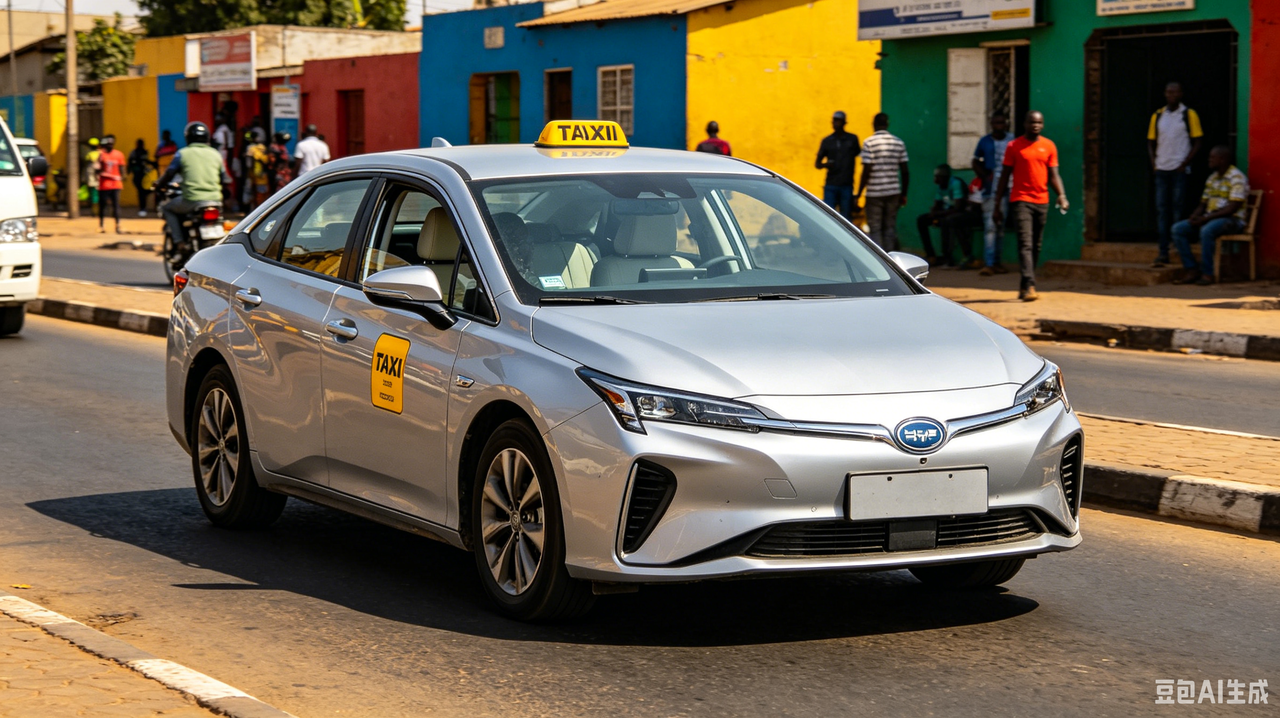
Beyond fuel, the second major financial burden for taxi drivers is the constant need for vehicle maintenance. Traditional ICE vehicles, especially when used intensively, require frequent and costly servicing that takes the car off the road and the driver off the clock.
Electric vehicles, by their very design, have far fewer moving parts. BYD models eliminate the need for oil changes, transmission fluid replacements, spark plugs, drive belts, and complex exhaust systems. This simplicity is a godsend for drivers.
- Reduced Downtime: Less time spent in the workshop means more time earning fares.
- Predictable Budgeting: Without the surprise of a major engine repair, drivers can forecast their expenses with greater accuracy.
- Long-Term Reliability: The drivetrain of an EV is inherently more robust under constant stop-and-go city driving, the bread and butter of the taxi trade.
This minimal maintenance requirement significantly lowers the total cost of ownership, making BYD a more dependable and economical partner for drivers working long, hard hours.
Reason 3: High Battery Durability and Decent Ground Clearance
A common concern for potential EV buyers in Africa is the durability of the battery and the vehicle's ability to handle less-than-perfect road conditions. BYD directly addresses these concerns with its proprietary technology and thoughtful design.
The Safety and Longevity of Blade Battery Technology
At the heart of BYD's reliability is the Blade Battery. This innovative lithium iron phosphate (LFP) battery is engineered to be exceptionally safe and long-lasting. It has passed the notoriously stringent "nail penetration test," where a metal rod is driven through the cell to simulate an internal short circuit.
Unlike some other battery types, the Blade Battery does not catch fire or explode under this extreme stress, providing immense peace of mind regarding safety.
Furthermore, LFP chemistry is known for its long cycle life, meaning the battery can be charged and discharged thousands of times while retaining a high percentage of its capacity. For a taxi driver, this translates to a vehicle that will remain a profitable asset for many years without a costly battery replacement.
Designed for Local Roads
Another critical factor is the vehicle's ground clearance. Many BYD models popular in the rideshare market, such as the Atto 3, offer a ground clearance that is competitive with, or even exceeds, that of many traditional SUVs and crossovers.
This higher ride height allows drivers to confidently navigate potholed streets and unpaved roads, a common reality in many African cities and towns, without fear of damaging the undercarriage or the battery pack.
Reason 4: Passenger Comfort and Tech Features Boosting Driver Ratings
In the competitive world of rideshare apps like Uber and Bolt, a driver's rating is crucial. High ratings lead to more ride requests, bonuses, and ultimately, higher earnings. BYD vehicles provide drivers with a distinct advantage in this area. Modern BYD models are designed with passenger comfort as a priority. They offer:
- Spacious Interiors: Ample legroom and headroom for passengers, even on longer trips.
- Advanced Climate Control: Powerful and efficient air conditioning systems are vital in Africa's warm climate.
- Quiet Cabins: The absence of engine noise creates a serene and relaxing environment for passengers.
Additionally, the modern tech features found in BYD cars—such as large touchscreens, premium sound systems, and smartphone integration—impress passengers and contribute to a premium riding experience.
A happy passenger is far more likely to give a five-star rating and a generous tip, directly boosting the driver's income and reputation on the platform.
Reason 5: Expanding Charging Infrastructure in Major African Hubs
The final piece of the puzzle is the charging infrastructure. Range anxiety—the fear of running out of power—is a universal concern for EV drivers. However, this worry is rapidly diminishing in Africa's major economic hubs.
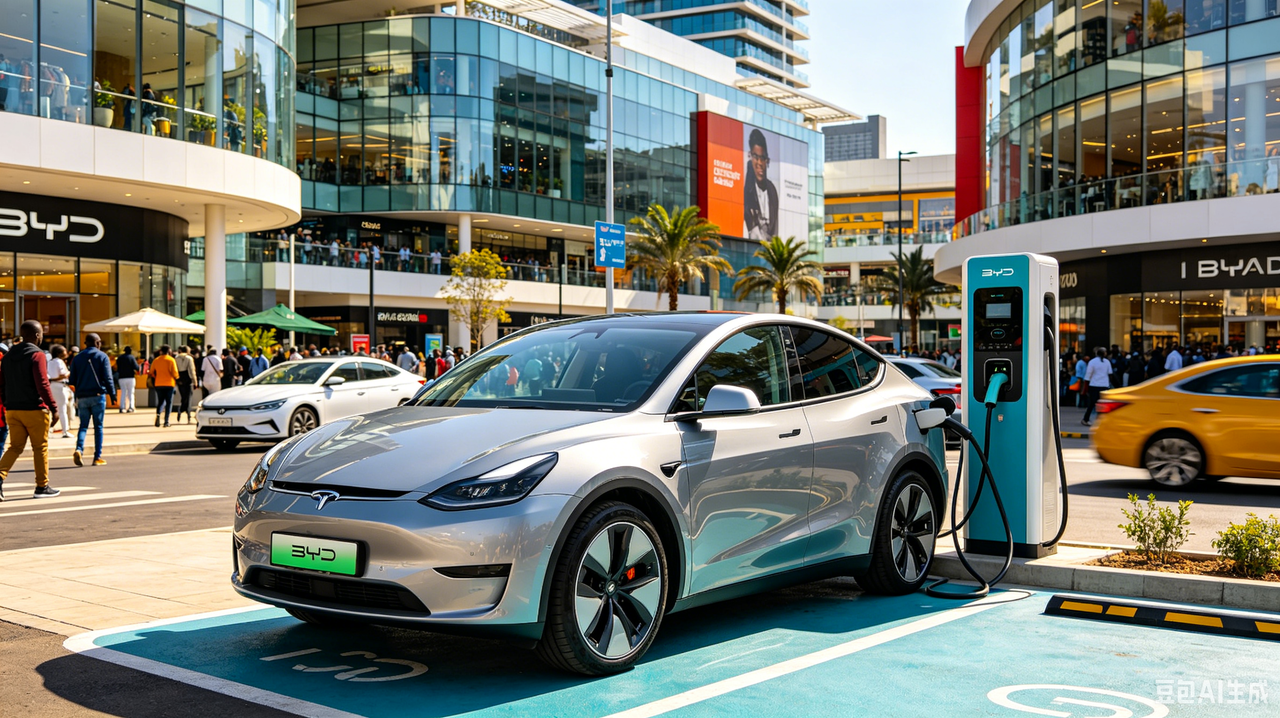
Countries like South Africa, Kenya, and Nigeria are witnessing a rapid rollout of public charging stations. Shopping malls, business districts, and highway rest stops are increasingly installing chargers to meet the growing demand. Fast-charging technology is also becoming more prevalent, allowing a taxi driver to replenish a significant amount of range during a short lunch break.
This expanding network means that planning a charging session is becoming as routine as finding a petrol station. As the infrastructure grows, the operational flexibility of BYD EVs increases, making them a viable option for drivers covering large areas or working extended shifts.
Conclusion & Call to Action (CTA)
The transition to BYD electric vehicles represents more than just a technological shift for African taxi drivers; it is a strategic move toward greater financial stability and professional success. By choosing a BYD, drivers gain a powerful tool that actively works to increase their daily profits.
The evidence is clear:
- Massive Cost Savings: Drastically lower fuel and maintenance costs put more money directly into the driver's pocket every single day.
- Unmatched Durability: The safety of the Blade Battery and the vehicle's suitability for local roads ensure long-term reliability.
- Competitive Advantage: Superior passenger comfort and modern tech lead to higher ratings and more income on rideshare platforms.
For drivers ready to take control of their earnings and embrace the future of mobility, the choice is evident. BYD offers a smarter, more profitable way to work.
Ready to increase your take-home pay? Contact us today to learn more about BYD models available for export and take the first step toward transforming your driving business.
Explore more in our news coverage for related guides and updates.
Get in touch
Contact us for a personalized quote.
Related Articles
Used BYD Cars Under $15K: Best Models in 2026
Looking for used BYD cars under $15,000? Compare the best affordable BYD models, EVs and hybrids, prices, battery health, mileage and buying tips.
2026 BYD Price Comparison: China vs Nepal, Pakistan, Turkey & UAE
Draft article: 2026 BYD Price Comparison: China vs Nepal, Pakistan, Turkey & UAE