BYD PHEV vs BEV 2026 | Which Is Better for Africa & Middle East?
Learn how BYD DM-i plug-in hybrids and battery EVs compare for African roads, charger gaps, city use, and long-distance driving.
Editorial
Editorial
Market Insight
Electric cars are gaining attention across Africa, but the charging map remains uneven. For many buyers, the question is not only price or design. It is whether the car can handle daily use, bad roads, heat, and long gaps between reliable chargers.
That is where a BYD PHEV with DM-i technology becomes interesting. It offers electric driving for short trips and petrol backup for longer routes, which helps reduce range anxiety in places with limited charging infrastructure in Africa. For more market context, see our Africa EV market coverage.
Quick Comparison: EV Import Duties by Country
The best BYD option depends on route, charging access, and duty cycle.
| Country | BEV Import Duty | PHEV Import Duty | VAT | Special EV Incentives | Overall Rating |
|---|---|---|---|---|---|
| K Kenya | 10% (reduced) | 25% (standard) | 16% (standard) | Tax breaks reduced tolls | ⭐⭐⭐⭐ (BEV) |
| Nigeria | 10–20% | 20–35% | BEV: exempt / PHEV: 7.5% | No IAT for EVs | ⭐⭐⭐⭐ (BEV) |
| Ethiopia | 15% (CBU) / 5% (SKD) / 0% (CKD) | Banned (gas engine prohibited) | Standard | Gas car import ban | ⭐⭐⭐⭐⭐ (BEV only) |
| South Africa | 25% | 18% | 15% | EV rebate planned | ⭐⭐ (improving) |
| Egypt | ~10–40% (varies) | ~40% (standard) | 14% | Reduced duties for EVs | ⭐⭐⭐ |
| Morocco | ~10–17.5% | ~17.5% | 20% | (BEV exempt in some cases) | VAT exemptions |
| Ghana | 5–20% | 20% | 15% | Reduced duties for EVs | ⭐⭐⭐ |
| UAE | 5% (GCC) | 5% (GCC) | 5% | None (equal treatment) | ⭐⭐⭐ |
| Saudi Arabia | 5% (GCC) | 5% (GCC) | 15% | None (equal treatment) | ⭐⭐⭐ |
Important: Duty rates change frequently. Always verify with your local customs broker before shipping. The rates above reflect publicly available information as of mid-2026 and may not account for bilateral trade agreements, special economic zones, or model-specific classifications.
Detailed Country Analysis
Kenya: The Policy Pioneer
Kenya is doing more than any other East African country to promote EV adoption. The draft e-mobility policy, introduced in 2025, is comprehensive and aggressive:
Key Policy Measures
- Import duty reduction: Fully electric vehicles dropped from 25% to 10% — a 15 percentage point cut that saves thousands of dollars per vehicle
- Tax breaks: EV users benefit from reduced toll fees and tax incentives
- Charging infrastructure: Kenya Power plans 45 EV chargers in Nairobi, Kisumu, Mombasa, and Nakuru within the next year, with a target of 10,000 chargers by 2030
- EV target: 5% of all registered vehicles should be electric by 2025
- Electricity tariff reform: Adjusted tariffs to make EV charging more cost-effective
- Grid reliability: Decentralized energy systems to strengthen charging reliability
📋 Example: Used BYD Atto 3 (2022) Imported to Kenya
FOB price (Guangzhou)~$8,000
Ocean freight (China → Mombasa)~$800
Marine insurance~$120
Import duty (10% of CIF)~$892
VAT (16% of CIF + duty)~$1,665
Port handling + clearing~$350
Inland transport (Mombasa → Nairobi)~$200
Registration + number plates~$150
Total landed cost~$12,177
Compare that to a new BYD Atto 3 from a Kenyan dealer at roughly KES 5.5 million (~$42,000), and the import savings are dramatic. See our full Kenya price guide for model-by-model calculations.
BEV advantage in Kenya: The 10% BEV duty (vs 25% for PHEV) means a BEV saves approximately $1,300–$2,000 in import duty alone compared to a similarly priced PHEV. This effectively narrows the price gap between BEV and PHEV models, making BEV the better financial choice if you have charging access.
Nigeria: The Pending Revolution
Nigeria's EV landscape is on the cusp of major change. The Electric Vehicle Transition and Green Mobility Bill, which passed its second Senate reading in November 2025, could transform the market if enacted. Here's what's currently in effect and what's coming:
| Tax/Duty Component | Standard Rate | EV Status |
|---|---|---|
| Import Duty | 10–20% | Applied (same as standard) |
| NAC Levy (National Automotive Council) | 15% | Applied |
| Value Added Tax | 7.5% | Exempt for EVs |
| Import Adjustment Tax | Variable | Exempt for EVs |
| ECOWAS Trade Levy | 0.5% | Applied |
The VAT exemption alone saves approximately 7.5% of the vehicle's CIF value — that's $600–$1,500 per vehicle depending on the model. The Import Adjustment Tax exemption provides additional savings.
The EV Transition Bill: What's Coming
If enacted, the bill would add:
- Tax holidays for EV users and investors
- Import-duty waivers for electric vehicles
- Toll exemptions for EVs
- Subsidies for EV purchases
- Road tax reliefs for EV owners
- Mandatory charging stations at all fuel outlets nationwide
- Local assembly requirement: Foreign automakers must partner with licensed Nigerian assemblers within 3 years, with 30% local content by 2030
- Penalties: Up to ₦250 million ($312,500) per breach for companies failing requirements; ₦500 million ($625,000) + confiscation for unlicensed importers
📋 Example: Used BYD Atto 3 (2022) Imported to Nigeria
FOB price (Guangzhou)~$8,000
Ocean freight (China → Lagos)~$700
Marine insurance~$100
Import duty (15% of CIF)~$1,320
NAC Levy (15% of CIF)~$1,320
VAT$0 (EV exempt)
Import Adjustment Tax$0 (EV exempt)
ECOWAS Trade Levy (0.5%)~$44
SONCAP + PAAR processing~$300
Port handling + clearing~$400
Inland transport (Lagos → Abuja)~$250
Registration~$100
Total landed cost~$12,534
Without the VAT and IAT exemptions, this same vehicle would cost approximately $14,100–$14,800. The EV tax breaks save about $1,500–$2,300 per vehicle. See our full Nigeria price guide for more details.
Dealer requirement: Under the proposed bill, dealers must partner with licensed local assemblers and establish assembly plants within 3 years. Failure to comply could result in fines exceeding ₦1 million (~$1,250) or suspension of operations. If you're planning to import as a business, factor in this compliance cost.
South Africa: The Infrastructure Play
South Africa currently applies a 25% import duty on EVs — higher than most African countries. However, the government has signaled plans to incentivize EV adoption, and BYD's massive infrastructure investment (200–300 charging stations by end 2026) is creating the ecosystem needed for growth.
The 25% duty applies equally to BEV and PHEV, but PHEVs are classified as standard vehicles at 18% duty — making PHEVs cheaper to import despite being "less electric." This regulatory quirk means the PHEV vs BEV decision in South Africa currently favors PHEV on cost grounds.
Watch for: South Africa's government has indicated it will introduce EV-specific rebates and duty reductions. If these materialize, the BEV cost advantage could flip overnight. Importers should monitor policy announcements closely.
Other Notable Markets
Jordan: BEV Tax Exemptions
Jordan offers significant tax exemptions for BEVs, making it one of the most EV-friendly markets in the Middle East. Import duties for BEVs are significantly reduced compared to gasoline vehicles. See our Jordan & Lebanon guide for details.
Egypt: Reduced but Variable
Egypt offers reduced import duties for EVs (approximately 10–40% depending on vehicle type and engine classification). The country is Africa's largest EV market by volume (7,900 units in 2025) and offers local assembly incentives. See our Egypt price guide.
Ghana: Growing Market
Ghana applies reduced import duties for EVs (5–20% depending on classification). The market is growing, with many dealers importing used BYD vehicles from China. See our Ghana wholesale import guide.
Morocco: VAT Exemptions
Morocco offers VAT exemptions or reduced rates for EVs as part of its incentive program. With 5,500 EVs sold in 2025 and local manufacturing initiatives (Neo Motors), Morocco is becoming a North African EV hub.
BEV vs PHEV: Which Has the Tax Advantage?
This is where policy creates real buying signals. In several countries, the tax treatment of BEVs and PHEVs differs significantly:
| Country | BEV Advantage | Approximate Savings (BEV vs PHEV) |
|---|---|---|
| Kenya | 10% vs 25% import duty | $1300–$2000 |
| Nigeria | VAT exempt + IAT exempt | $1500–$2300 |
| Ethiopia | PHEV banned (gas engine) | N/A (BEV only) |
| South Africa | 25% vs 18% (PHEV cheaper) | -$800–$1200 (PHEV advantage) |
| Jordan | BEV tax exemptions | $1000–$3000 |
| UAE/Saudi | Equal treatment | $0 |
Bottom line: In Kenya, Nigeria, and Jordan, the tax system actively rewards BEV purchases. In South Africa, PHEV currently has the edge due to lower duty classification. In UAE and Saudi Arabia, it's a wash — choose based on your driving needs, not tax considerations. Read our PHEV vs BEV comparison for the full analysis.
The Paperwork: What You Need to Import
Regardless of country, every BYD import requires a core set of documents. Here's the universal checklist:
- Commercial Invoice — from the Chinese exporter, showing FOB price, vehicle details, VIN
- Packing List — container number, seal number, vehicle dimensions
- Bill of Lading — ocean freight document, proof of shipment
- Marine Insurance Certificate — covers transit risks
- Vehicle Title/Registration — Chinese vehicle registration (for used vehicles)
- Battery Health Report — State of Health (SOH) certificate, critical for used EVs
- Emission/Compliance Certificate — confirms vehicle meets local standards (e.g., Euro II in Nigeria)
- Product Certificate (PC) / SONCAP — required for Nigeria and some other markets
- Pre-Arrival Assessment Report (PAAR) — Nigeria-specific, for duty calculation
Our wholesale import guide walks through each document in detail, including common pitfalls and how to avoid customs delays.
Practical Advice for BYD Buyers
For Individual Buyers
- Always request a Battery Health Report (SOH) when buying used — a battery below 85% SOH should be priced accordingly. See our mileage guide for benchmarks.
- Check whether your country classifies PHEV differently from BEV — in Kenya and Nigeria, the tax savings can justify choosing BEV even if charging is uncertain
- Factor in total landed cost, not just FOB price. Duties, VAT, and clearing can add 40–80% to the base price
- Allow 6–10 weeks from purchase to delivery for the full import process
For Dealers
- Stay current on pending legislation — Nigeria's EV Transition Bill and South Africa's EV rebate could change the economics overnight
- Diversify your inventory: stock both BEV and PHEV to serve customers with different infrastructure access
- Build relationships with local customs brokers who understand EV-specific documentation
- Consider the fleet market — taxi operators and delivery companies are the fastest-growing EV segment in Africa
BYD PHEV and BEV Questions
- Is a BYD PHEV better than a BYD BEV in Africa?
- It depends on charging access. A PHEV suits longer routes and charger gaps, while a BEV suits cities with dependable charging.
- What is BYD DM-i?
- BYD DM-i is a plug-in hybrid system that uses electric driving with petrol backup for longer range.
- Does a 1,000km range remove all planning?
- No. Drivers still need to plan fuel, charging, service, and route conditions, especially outside major cities.
Compare Before You Buy
Match your next BYD to your real routes, charging access, and service options.
Related Articles
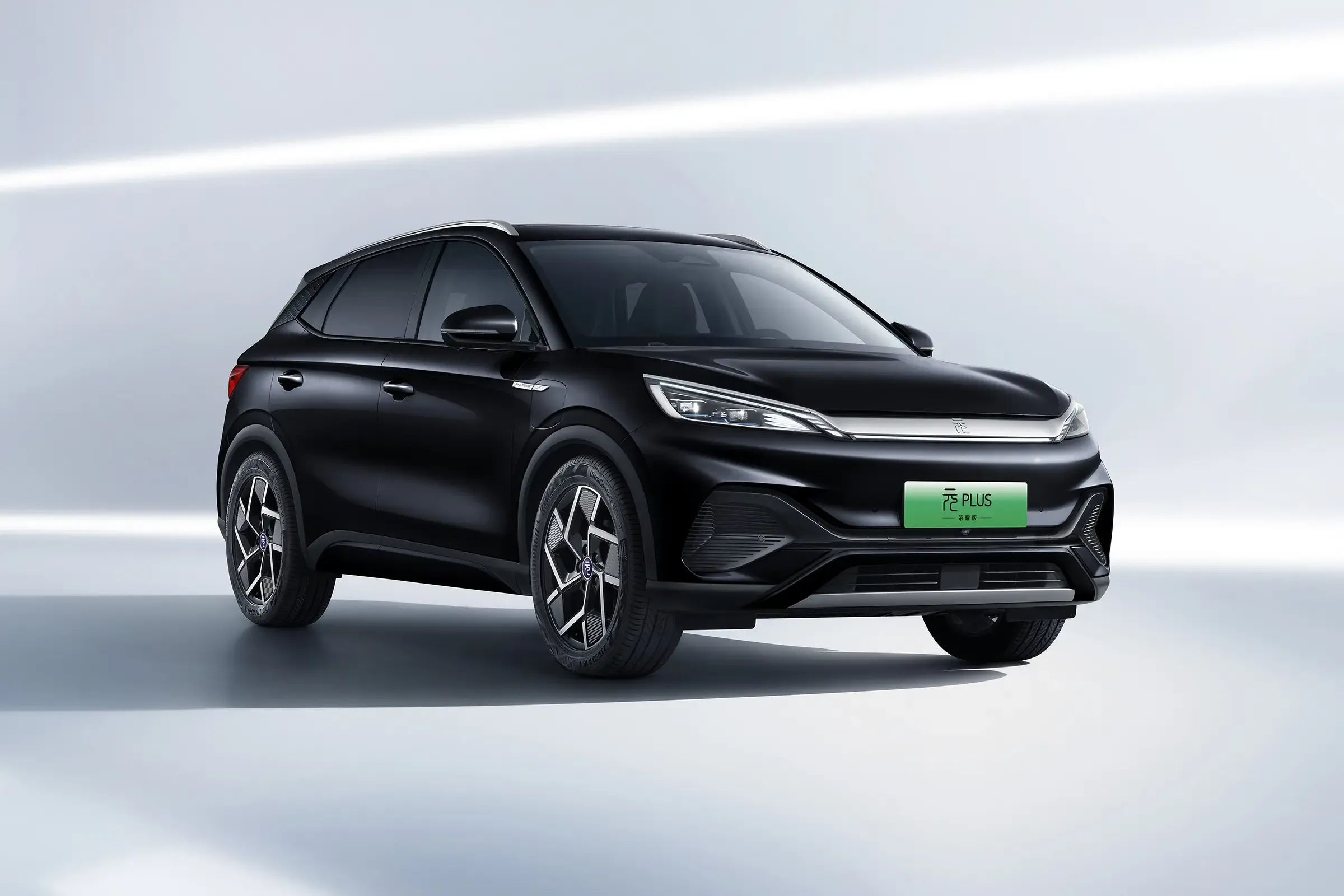
Used BYD Cars Under $15K: Best Models in 2026
Looking for used BYD cars under $15,000? Compare the best affordable BYD models, EVs and hybrids, prices, battery health, mileage and buying tips.
2026 BYD Price Comparison: China vs Nepal, Pakistan, Turkey & UAE
Draft article: 2026 BYD Price Comparison: China vs Nepal, Pakistan, Turkey & UAE